Plumbing services are an essential aspect of home and business maintenance, ensuring that water and waste systems function efficiently. These services range from minor repairs to major system installations, making them integral to everyday operations. Understanding basic plumbing issues and solutions can empower property owners to manage small problems before they escalate. The following article delves into common plumbing concerns, insights on selecting a proficient plumber, and emerging trends in plumbing technology. It also offers guidance on leveraging professional services for complex problems while empowering you with knowledge for manageable DIY tasks.
Understanding Basic Plumbing Systems
Overview of Plumbing Systems
At the heart of any building's functionality lies its plumbing system, designed to transport water in and out of the property safely. The primary components include pipes, valves, and fixtures, all working in unison to accommodate water supply and waste management. Plumbing systems are intricate networks that require regular maintenance to ensure efficient operation and to prevent any unforeseen breakdowns. Properly functioning plumbing systems contribute to hygiene, convenience, and comfort in both residential and commercial settings. Therefore, understanding the basic structure of plumbing systems is crucial for effective management and troubleshooting.
Water Supply System
A building's water supply system is tasked with delivering clean, potable water from a source to various points within a property. This system typically starts with a connection to a municipal water line, followed by distribution through a network of pipes. Water meters measure the volume of water used, while pressure systems ensure adequate flow throughout the building. It's essential to maintain a well-functioning supply system to prevent issues such as leaks and bursts. Proper maintenance, timely repairs, and understanding system components help in sustaining efficiency and prolonging system lifespan.
Drainage System
Equally important is the drainage system, which manages the removal of wastewater from the building. These systems rely heavily on gravity to move waste efficiently, aided by vents and traps that prevent sewer gases from entering living spaces. Regular inspection of drainage components can prevent clogs and backups, which are common issues homeowners face. Moreover, adhering to regulatory standards and practices ensures environmental safety and minimizes health hazards. A well-maintained drainage system is vital for ensuring that waste exits smoothly, without impacting the property’s sanitation.
Common Plumbing Materials
The choice of plumbing materials significantly impacts the system's durability, efficiency, and maintenance requirements. Traditionally, materials like copper, PVC, and galvanized steel have been used for pipes due to their strength, reliability, and corrosion resistance. Each material brings different advantages and considerations, such as cost and compatibility with specific water qualities. Technological advancements continue to introduce new materials aimed at improving longevity and reducing maintenance needs. Utilizing appropriate materials according to the building requirements can prevent frequent issues and extend the life of a plumbing system.
Regulatory and Safety Standards
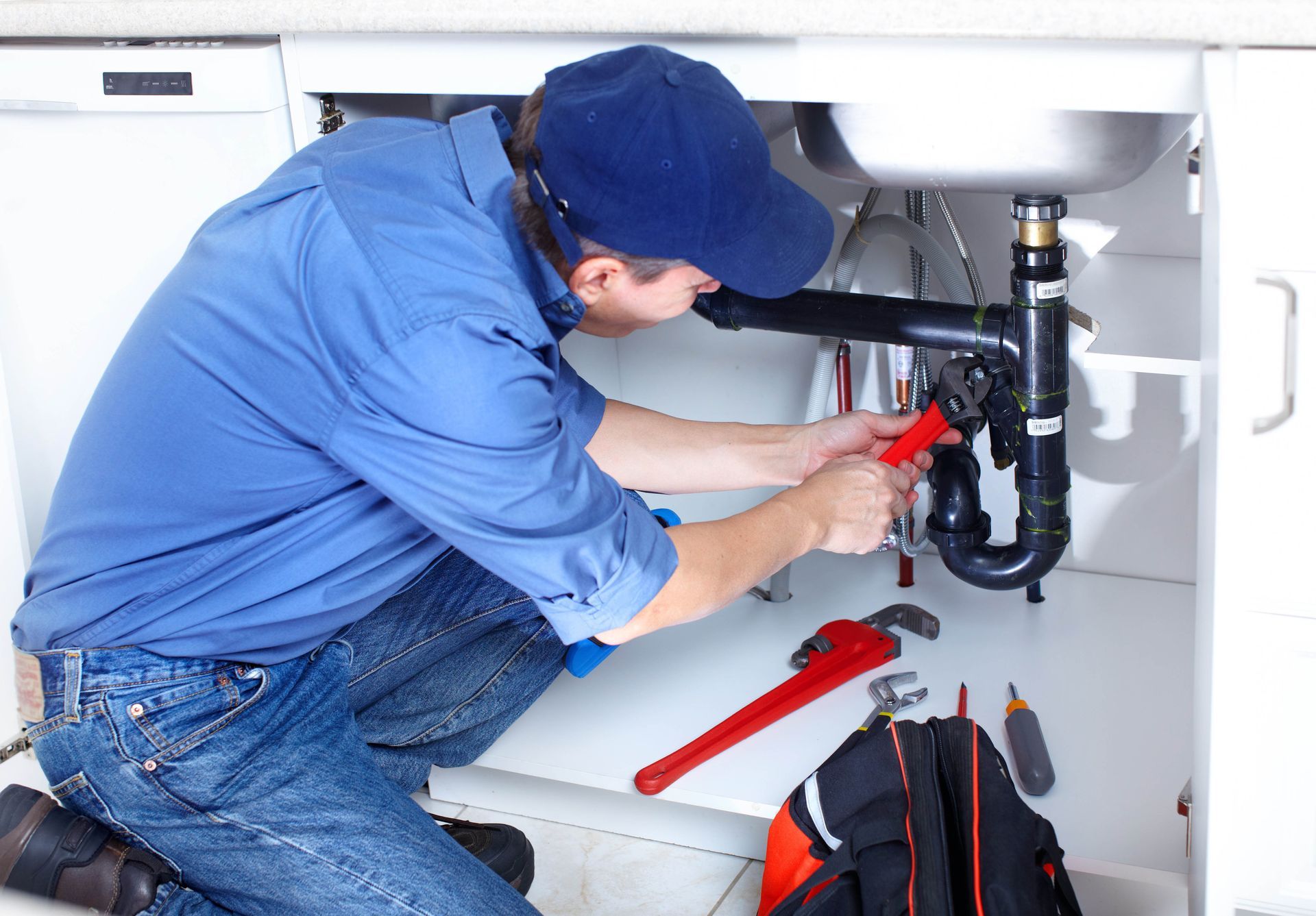
Plumbing systems must comply with local and national building codes designed to standardize installations and enhance safety. These regulations cover elements such as pipe material, configuration, and installation practices, ensuring that systems are both safe and efficient. Compliance with these standards not only prevents legal issues but also minimizes the risk of system failures and safety hazards. Understanding and adhering to these codes are crucial for anyone involved in plumbing installations or repairs. Additionally, professional plumbers are often required to stay updated on changes in regulations to uphold best practices.
Common Plumbing Problems and Solutions
Leaking Pipes
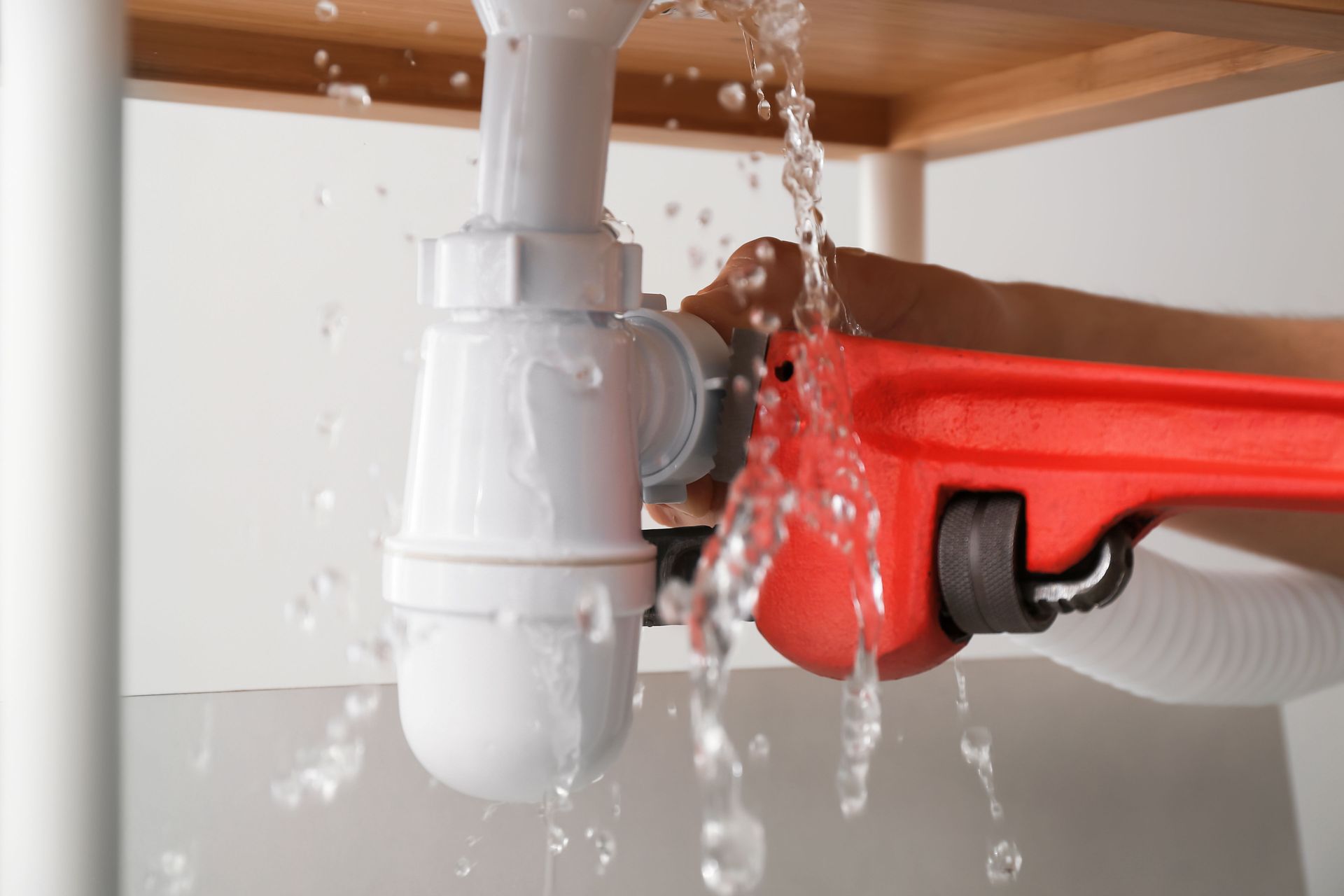
Leaking pipes are a prevalent issue that can cause significant damage if not addressed promptly. Causes of pipe leaks include corrosion, high water pressure, and ground movement, all of which weaken the integrity of the pipes. Applying sealants and performing regular checks can prevent leaks from worsening, while pipe replacement ensures long-term solutions. According to Zipdo, around 10% of homes in the U.S. encounter plumbing issues annually, highlighting the importance of proactive measures. Early detection and repair of leaks prevent further structural damage and help conserve water.
Clogged Drains
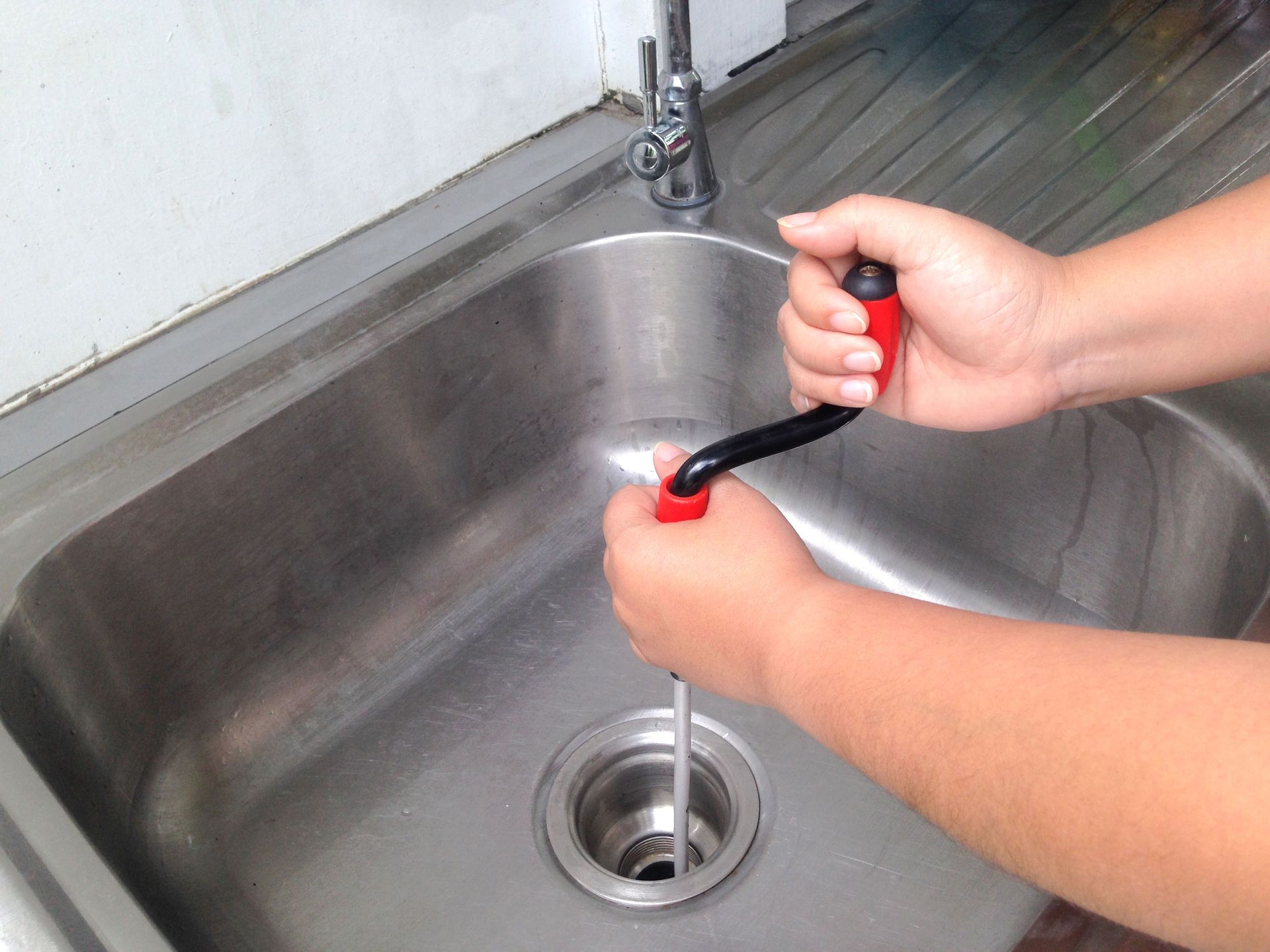
Clogged drains are another common problem that can disrupt daily activities and lead to unpleasant odors and overflows. They can result from accumulated hair, grease, or foreign objects that block the flow of water. Prevention measures include using drain guards and regularly cleaning pipes to minimize buildup. Chemical drain cleaners or mechanical snakes can be utilized to clear serious blockages effectively. Maintaining clear drainage systems reduces the risk of backups and prevents damage to pipes.
Low Water Pressure
Low water pressure can be frustrating and may indicate underlying issues such as blockages, leaks, or problems with the water supply system. Pressure-regulating valves might be necessary to adjust the flow for optimal performance. Regular maintenance checks ensure that components such as faucets and pipes are free from obstructions. Sometimes, replacing worn parts can dramatically improve water pressure. Addressing low pressure not only restores convenience but also prevents strain on the plumbing system.
Running Toilets and Faucets
Running toilets and dripping faucets are more than minor annoyances; they lead to water wastage and higher utility bills. Typically, running toilets result from faulty flappers or fill valves, which can be easily replaced. Dripping faucets often require new washers or cartridges to reseal connections and prevent leaks. Simple repairs and replacements can mitigate these issues and reduce water consumption significantly. Regularly inspecting these fixtures allows for early detection of problems, conserving resources and effort down the line.
Water Heater Issues
Water heaters are indispensable for providing hot water, yet they are not immune to problems such as temperature fluctuations and leaks. Regular maintenance, including flushing and checking valves, ensures that the system operates efficiently and lasts longer. Sediment buildup is a common issue that decreases efficiency and requires periodic cleaning. Promptly addressing any abnormalities contributes to a consistent supply of hot water and energy savings. Understanding the warning signs and maintenance needs of water heaters aids in extending their service life.
Emergency Plumbing Services
What Constitutes a Plumbing Emergency
Not all plumbing issues are emergencies, but knowing how to distinguish urgent problems is crucial. Significant water leaks, sewage backups, and major clogs often necessitate immediate attention to prevent property damage. Delaying resolution for these issues can escalate the severity, leading to costly repairs and health hazards. Determining the urgency of a problem aids in prioritizing repairs and allocating resources efficiently. Quick action minimizes damage and ensures the prompt restoration of normal operations.
24/7 Plumbing Services
For emergencies that occur beyond regular business hours, 24/7 plumbing services provide invaluable assistance. These services enable immediate response to critical issues, preventing them from escalating. Having access to around-the-clock professionals offers peace of mind and fast solutions in crises. Preparedness is key in avoiding prolonged downtime and mitigating urgent situations. Homeowners and businesses benefit from ensuring emergency services are readily available whenever needed.
Preventive Measures to Avoid Emergencies
Preventive measures are essential in mitigating the risk of emergencies by maintaining system integrity and preempting issues. Routine inspections, maintenance schedules, and immediate address of minor problems are crucial strategies. These measures extend to seasonal preparation, ensuring pipes are insulated against freezing temperatures. Educating residents on best practices reduces misuse and extends the service life of plumbing systems. Preventive actions save time, money, and stress associated with sudden plumbing failures.
This comprehensive exploration of plumbing services underscores the significance of effective water management in residential and commercial environments. It's clear that understanding basic systems not only facilitates maintenance but also empowers individuals to tackle manageable issues confidently. Recognizing the role of professional services in handling complex problems helps ensure system safety and reliability. Staying abreast of technological trends and advancements in plumbing prepares both consumers and professionals for an evolving landscape. Proficiency and insight into plumbing systems enhance operational efficiency and contribute positively to sustainable environmental management. Be sure to reach out to Premier Plumbing WNY today to learn more about our professional plumbing services!