By Maykol Reyes
December 15, 2025
With plumbing issues affecting approximately 10% of homes in the United States each year, according to Zipdo, addressing drainage problems efficiently and effectively is essential. Both traditional drain cleaning and high-pressure water jetting offer distinct advantages, and understanding these can help you make an informed decision. By comparing the methods side-by-side, we'll delve into critical aspects such as effectiveness, cost, safety, and environmental impact. This examination ensures homeowners can maintain their plumbing systems with confidence and peace of mind.
The Basics of Drain Cleaning
Understanding Traditional Drain Cleaning
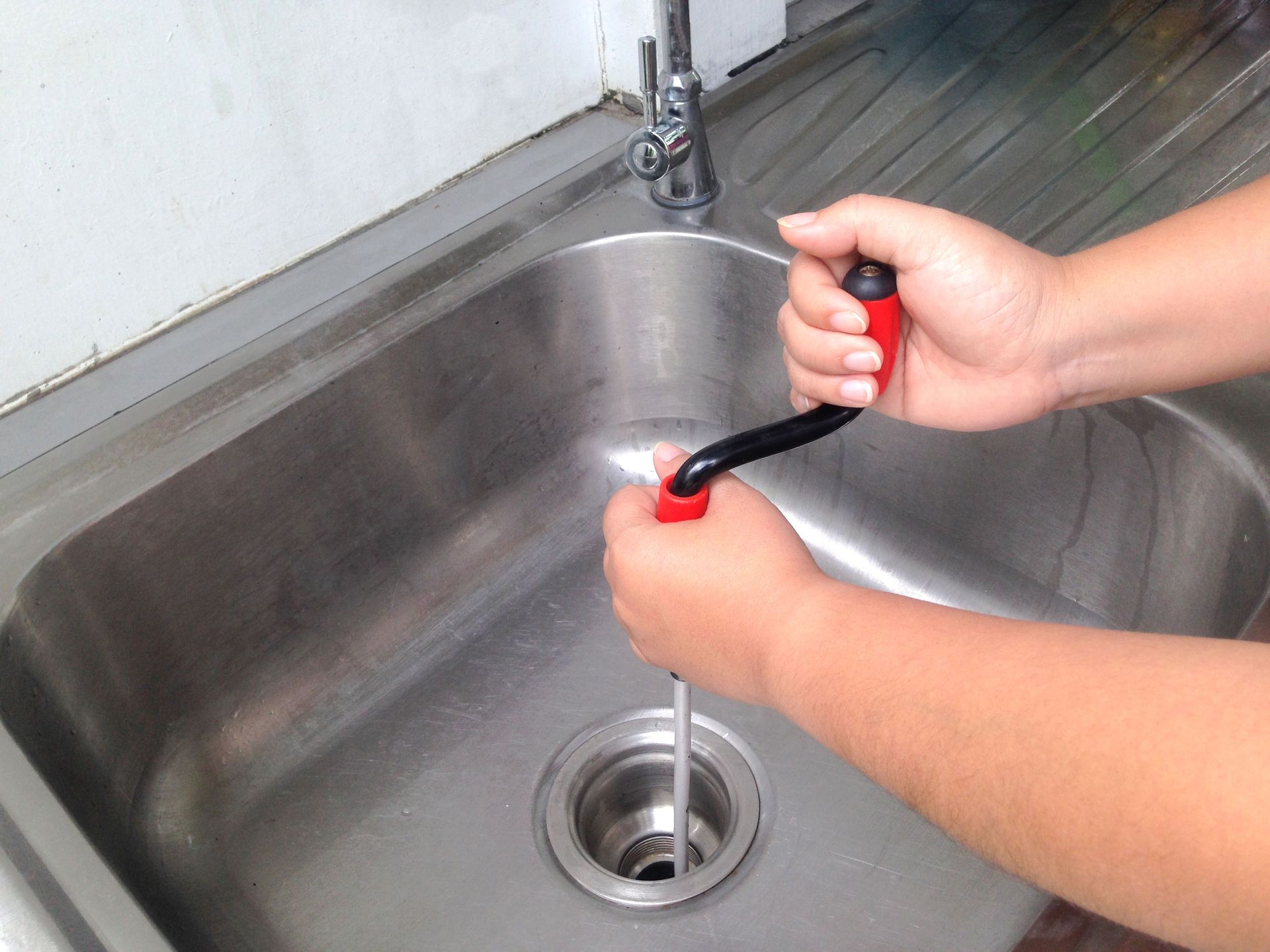
Traditional drain cleaning has long been the standard for addressing common plumbing issues in residential settings. This method typically involves manually removing blockages with hand tools or relying on chemical solutions to dissolve obstructions. In many cases, a plunger or drain snake is utilized to physically dislodge clogged materials within pipes. Chemical drain cleaners, while effective for some types of clogs, are not always suitable for all plumbing systems due to potential corrosive effects. Homeowners often favor traditional methods because they are generally accessible and straightforward in approach.
Common Drainage Issues Addressed
Traditional drain cleaning methods are designed to tackle a variety of everyday plumbing problems faced by homeowners. Clogged sinks and toilets are among the most common issues, often resulting from hair, soap, grease, or foreign objects entering the drains. Slow-draining fixtures and unpleasant odors are additional symptoms that prompt the use of traditional cleaning techniques. By using methods like plunging, snaking, or chemical treatment, blockages can be effectively cleared, restoring proper drainage and preventing more extensive plumbing complications. Addressing these common problems promptly is essential, as they can escalate into more severe and costly issues if left unattended.
Pros and Cons of Conventional Methods
Traditional drain cleaning methods offer numerous benefits, primarily due to their accessibility and cost-effectiveness. One of the significant advantages is the ability for homeowners to address minor clogs without needing specialized equipment or expertise. This DIY approach allows for rapid intervention and resolution, particularly for superficial blockages located near drain openings. Furthermore, the wide availability of traditional tools, such as plungers and drain snakes, facilitates prompt action, minimizing inconvenience caused by drainage issues. These benefits make conventional methods an appealing choice for a significant portion of everyday plumbing problems experienced in homes.
However, traditional drain cleaning methods are not without drawbacks. Their effectiveness can diminish with more severe blockages, particularly those situated deeper within the plumbing system. In such cases, tools like augers may require additional force or adaptations to reach further obstructions, potentially risking damage to pipes. Similarly, chemical drain cleaners, while fast-acting, can corrode pipes over time, particularly in older systems not designed to withstand such substances. The limitations of these methods underscore the importance of accurately assessing the issue to determine if a conventional approach is suitable or if advanced solutions are needed.
When to Opt for Traditional Cleaning
Determining when to opt for traditional drain cleaning methods involves evaluating both the severity and location of the blockage. For clog situations where proximity to the fixture is evident, such as sink or toilet slow-draining or stoppages, traditional methods are typically the first choice. In these instances, plungers or drain snakes provide efficient, cost-effective solutions without the need for professional intervention. Additionally, homeowners who encounter sporadic blockages may find a DIY approach suitable, offering flexibility and responsiveness to recurring minor issues. Understanding the contexts in which conventional methods are most effective ensures appropriate application and successful outcomes.
An Overview of High-Pressure Water Jetting
What Is High-Pressure Water Jetting?
High-pressure water jetting is an advanced method of drain cleaning that utilizes a powerful stream of water to clear blockages and build-up within plumbing systems. Unlike traditional methods, water jetting can penetrate deeper into the plumbing system, removing stubborn obstructions that resist other techniques. The technology operates by using highly pressurized water, typically at pressures ranging from 1,500 to 4,000 PSI, to dislodge and flush out accumulated debris. This method is especially effective for complex blockages, such as those caused by tree roots or severe grease build-up. The introduction of high-pressure water jetting has revolutionized drain cleaning, providing a more comprehensive and efficient solution for difficult drainage challenges.
How It Works: A Step-by-Step Guide
The process of high-pressure water jetting begins with an inspection, often conducted using a camera to assess the blockage and determine the appropriate pressure level and nozzle configuration. Once the scope of the problem is identified, a specialized water jetting machine is connected to the system, equipped with a tank of water and a hose fitted with a jetting nozzle. The nozzle is inserted into the drain, and high-pressure water is released, blasting away blockages and expelling debris outward through the drain line. The water's velocity is adjusted according to the severity of the blockage and the type of material involved, ensuring the cleaning process is both effective and safe for the plumbing system.
During jetting, the focused stream of water not only dislodges large obstructions but also scours the interior walls of the pipes, removing stubborn deposits and built-up residue. This dual action ensures complete clearance, minimizing the likelihood of recurrence and restoring optimal drainage capability. Operators have the flexibility to adjust the pressure and flow rate, catering to the specific complications of each drain while preserving structural integrity. The adaptability of the method enables it to tackle a broad spectrum of blockages, from kitchen grease to tree roots, optimizing performance by matching technique to the specific challenge presented. This is a hallmark of water jetting's superiority in comprehensive drain cleaning solutions.
Advantages of Water Jetting
The advantages of high-pressure water jetting are multifaceted, beginning with its ability to completely clear drains of all blockages and residue. Unlike traditional methods that may temporarily relieve symptoms, water jetting delivers a comprehensive cleanse of the internal pipe surfaces, removing any remnants that could potentially lead to future blockages. This thorough approach ensures a longer-lasting solution, reducing the necessity for frequent maintenance interventions and minimizing disruption to the household. The method's efficiency ultimately enhances the longevity of the plumbing system, contributing to overall sanitation and operational reliability.
Ideal Scenarios for Water Jetting
High-pressure water jetting presents itself as a premier solution for a variety of intricate and challenging plumbing scenarios. Its strong suit lies in addressing severe blockages, including those composed of hardened grease, mineral deposits, and even tree roots that disrupt the flow within sewer lines. In situations where conventional methods fall short of providing relief or when blockages appear consistently despite regular cleaning, water jetting stands out as a preferred choice. This service effectively cleans entire drainage systems, ensuring any hard-to-reach bends and joints are thoroughly cleared, providing ultimate reassurance and functionality. When confronting complex drainage problems, homeowners can confidently rely on water jetting to deliver a comprehensive, effective resolution.
Choosing between traditional drain cleaning and high-pressure water jetting ultimately depends on the specific needs of your plumbing system. While conventional methods are ideal for minor, easily accessible blockages and offer a cost-effective, DIY-friendly approach, high-pressure water jetting excels in tackling stubborn or deeply embedded obstructions that require a thorough and long-lasting solution. By understanding the advantages, limitations, and ideal scenarios for each method, homeowners can make informed decisions that preserve the integrity of their plumbing, prevent recurring issues, and maintain smooth, efficient drainage throughout their property. To learn more, reach out to the experts at Premier Plumbing WNY today!